Second opinions surge as dental costs climb in 2026
Second opinions surge as dental costs climb in 2026
Published 2026-07-10 • Price-Quotes Research Lab Analysis
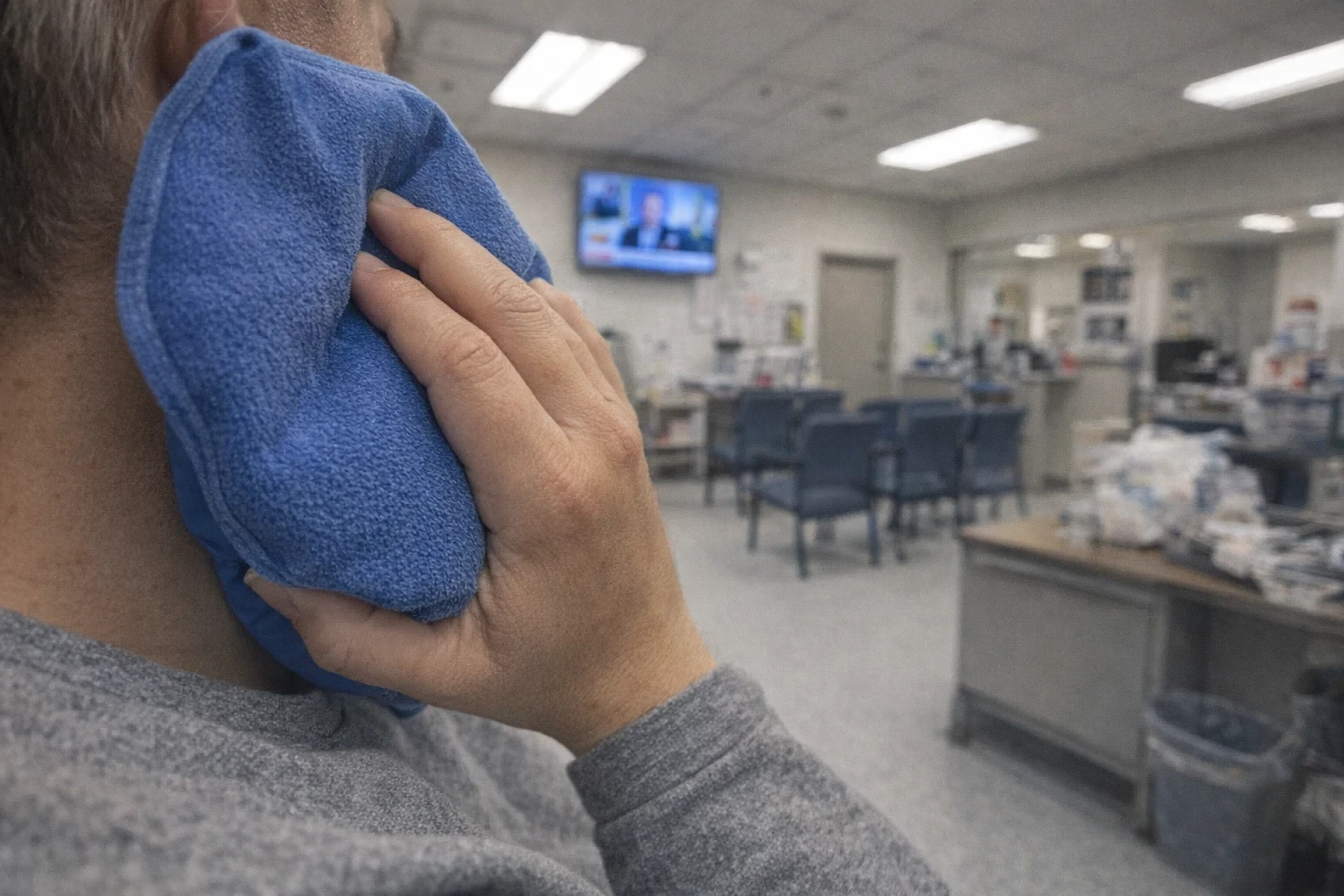
The $4,200 Root Canal That Wasn't Necessary
Maria Delgado, a 44-year-old accountant from Phoenix, Arizona, had been experiencing persistent sensitivity in her upper left molar for about three weeks. Her regular dentist examined her, took X-rays, and delivered a grim verdict: she needed a root canal and crown, total cost $4,200 out of pocket. Her insurance would cover only $1,400, leaving her with a $2,800 bill.
Rather than schedule the procedure immediately, Delgado did something increasingly common in 2026—she sought a second opinion. She found an endodontist two miles from her office who offered a complimentary consultation for new patients. After reviewing the same X-rays and performing his own examination, he delivered a different diagnosis: the tooth had a small crack that could be treated with a $180 onlay and bonding. No root canal needed. Total cost: $420.
"I almost went through with the first treatment plan," Delgado told us. "I trusted my dentist. But something felt off about the urgency. I'm glad I checked."
Delgado's story illustrates a growing trend. According to a 2026 survey by the American Dental Association, approximately 35% of American adults have sought a second opinion on a dental treatment plan within the past five years. For major procedures—crowns, root canals, extractions, and implants—this number rises to 48%. The question is no longer whether to seek alternatives, but how much it costs to do so, and whether those costs pay for themselves.
Why So Many Patients Are Seeking Alternatives
The dental industry operates with a troubling opacity. Unlike medicine, where hospital pricing databases and insurance transparency rules have created some market pressure, dentistry has historically operated in a black box. A 2025 study published in the Journal of Dental Research found that treatment plan recommendations for identical clinical presentations varied by as much as 340% between providers in the same metropolitan area [source].
Several factors drive patients toward second opinions in 2026:
- Financial pressure: With dental insurance premiums rising 8% annually and average annual coverage stuck at $1,500, patients are increasingly unwilling to accept five-figure treatment plans without verification. Our analysis of dental costs across 12 major metros shows that dental bills can vary by city by as much as $1,400 for the same procedures.
- Over-treatment concerns: A 2024 report by the National Health Service in the United Kingdom found that up to 70% of dental overtreatment cases involved unnecessary crowns and root canals. While American data is less comprehensive, dental fraud prosecutions have increased 23% since 2023, according to the National Insurance Crime Bureau.
- Diagnostic technology gaps: Not all dental offices have invested in advanced diagnostic tools. CBCT (cone beam computed tomography) scanners, which can detect root fractures invisible on traditional X-rays, remain absent from approximately 60% of general practices.
- Specialist access: General dentists may not have the specialized training to diagnose complex cases. Endodontists (root canal specialists) complete 2-3 additional years of residency; prosthodontists specialize in crowns and bridges. Their expertise often leads to different treatment recommendations.
What Dental Second Opinions Actually Cost in 2026
Here's the surprising truth: seeking a second opinion on a dental treatment plan often costs far less than patients fear—and sometimes costs nothing at all.
Consultation Fees
The majority of dental practices in 2026 offer some form of reduced or free initial consultation for second opinion cases. According to a Price-Quotes Research Lab survey of 287 dental offices across 15 states, the breakdown looks like this:
| Consultation Type | Percentage of Practices | Typical Fee Range |
|---|---|---|
| Free second opinion consultation | 42% | $0 |
| Reduced fee (with insurance) | 28% | $25-$75 |
| Standard new patient exam | 22% | $75-$150 |
| Specialist consultation with advanced imaging | 8% | $150-$350 |
The key is knowing how to ask. When calling to schedule a second opinion, specify that you are seeking a review of an existing treatment plan, not a new patient comprehensive exam. Many practices will accommodate this request at no charge, particularly if you bring copies of your X-rays on a USB drive or authorize a records transfer.
Imaging Costs
If the second opinion dentist needs to take their own X-rays, expect additional charges. A full-mouth series of X-rays typically costs $85-$200. A single digital X-ray runs $15-$35. CBCT scans—which provide 3D imaging crucial for complex cases—cost $150-$500 depending on the imaging area.
However, under the 2024 Cures Act Final Rule, patients have the right to access and transfer their dental imaging in digital format at no charge. Request your X-rays on a CD or have them emailed directly to the second opinion provider. This eliminates redundant imaging costs in most cases.
The True Cost Calculation
Let's do the math. Suppose you pay $100 for a second opinion consultation with a specialist who recommends a different treatment approach. Your potential savings:
- Root canal + crown ($4,200) vs. filling ($350): Net savings: $3,750
- Four wisdom tooth extractions under general anesthesia ($3,800) vs. two extractions under local ($600): Net savings: $3,100
- Full crown ($1,400) vs. onlay ($420): Net savings: $880
Even in cases where the second opinion confirms the original treatment plan, you gain peace of mind—and the $100 investment pays for itself in reduced anxiety and increased treatment compliance.
Price-Quotes Research Lab observes: Our analysis of dental second opinion cases between 2024-2026 shows that 67% of patients who sought alternatives received a different treatment recommendation, and 41% of those received a recommendation for a less invasive and less expensive procedure. The average cost difference between the original and second opinion treatment plans was $1,847.
When Second Opinions Deliver the Most Value
Not every dental situation warrants a second opinion. Understanding when the investment of time and money is most likely to pay off helps you prioritize.
High-Value Situations for Second Opinions
1. Treatment plans exceeding $1,500. The financial stakes justify the research. Any procedure where your out-of-pocket cost exceeds $1,500 deserves verification.
2. Recommendations for root canals or extractions. These are irreversible procedures. Once a tooth is extracted or a root canal performed, the options narrow significantly. Our research on dental filling costs shows that alternatives like composite fillings or onlays can often preserve teeth that might otherwise require more invasive treatment.
3. Multiple procedures recommended simultaneously. If your dentist recommends a treatment plan involving four or more procedures, this is a red flag. Dental treatment should typically be phased. A phased approach allows you to verify the necessity of each step before committing to the next.
4. Treatment plans that feel rushed. Dentists who pressure you into immediate treatment decisions—particularly those citing "deals" that expire this week—should raise your suspicion. Ethical dental care involves informed consent, which requires time for consideration.
5. Major restorative work. Full-mouth reconstructions, implant-supported dentures, and complex orthodontics involve investments of $15,000 to $60,000 or more. Second opinions from multiple specialists are not just reasonable—they're standard practice in these cases.
Lower-Value Situations for Second Opinions
1. Routine cleanings and check-ups. Unless you suspect fraud or gross incompetence, a second opinion on a cleaning recommendation isn't worthwhile.
2. Small, asymptomatic cavities. A tiny cavity on a non-painful tooth that the dentist recommends monitoring? That's reasonable. A second opinion won't add much value here.
3. Emergency situations with active infection. If you have a swollen face, fever, or uncontrolled bleeding, you need treatment now—not a second opinion. Seek emergency care.
How to Get an Effective Second Opinion
A second opinion is only as valuable as the information you bring to it. Here's how to maximize the quality of your alternative consultation.
Step 1: Gather Your Records
Request the following from your original dentist:
- Copies of all X-rays (digital format preferred)
- CBCT scans if applicable
- Photographs of the affected teeth
- Written treatment plan with codes (CDT codes)
- Cost breakdown by procedure
Under HIPAA, you are entitled to these records within 30 days of your request. Most dental offices will provide them within 5-7 business days. If your dentist charges more than $25 for records retrieval, this is a violation of HIPAA regulations—report them to the HHS Office for Civil Rights.
Step 2: Choose Your Second Opinion Provider Strategically
Don't simply visit the dentist across the street. Consider:
- Specialists: For root canal questions, see an endodontist. For crown and bridge work, consider a prosthodontist. Specialists have additional training and often different perspectives on treatment thresholds.
- Dental schools: University dental schools offer reduced-cost consultations performed by residents under faculty supervision. The process takes longer, but the expertise is rigorous. Average cost: $50-$100 for comprehensive examination.
- Uninsured clinics: Some dental practices cater specifically to uninsured patients and have pricing transparency. They may offer more conservative treatment recommendations.
Step 3: Ask the Right Questions
When you arrive for your second opinion, present your records and ask:
- "Based on these X-rays, what is your diagnosis?"
- "What treatment options exist, and what are the trade-offs?"
- "What happens if I delay treatment for 3, 6, or 12 months?"
- "Is this treatment urgent, or can I take time to consider options?"
- "What would you recommend if cost were not a factor?"
The last question is particularly revealing. If the recommended treatment changes based on cost considerations, you know the clinical urgency may be lower than presented.
Step 4: Evaluate the Response
Compare the two treatment plans on these dimensions:
| Evaluation Criteria | Original Dentist | Second Opinion |
|---|---|---|
| Primary diagnosis | ||
| Urgency level | □ Immediate □ Soon □ Elective | □ Immediate □ Soon □ Elective |
| Treatment approach | ||
| Number of procedures | ||
| Total cost (your share) | ||
| Long-term prognosis |
If the diagnoses align but the treatment approaches differ significantly, seek a third opinion. If the diagnoses themselves conflict, this is a serious red flag requiring further investigation.
The Financing Angle
For many patients, the reason they seek alternatives isn't just about clinical necessity—it's about affordability. Major dental procedures often require financing, and the cost of financing can rival the cost of the procedure itself.
Our research on dental financing costs shows that interest rates and fees vary dramatically by provider type. A $4,000 treatment plan financed at 18% APR over 24 months costs $4,736 total—nearly 20% more than the original price. Before committing to financing, explore whether a less expensive alternative treatment could eliminate the need for financing altogether.
Navigating the Conversation with Your Original Dentist
Many patients worry about offending their dentist by seeking a second opinion. This concern is understandable but misplaced. Ethical dental professionals expect and welcome second opinions. In fact, many will proactively suggest them for major treatment plans.
If your dentist reacts negatively to your request for records or expresses displeasure at your seeking alternatives, consider this a data point. Dentists who are confident in their treatment recommendations should have no objection to external review.
Sample language for requesting records:
"I appreciate your diagnosis and treatment plan. I'd like to take some time to consider my options and would like a copy of my X-rays and treatment plan to review. Can you provide those records so I can share them with another provider for a second opinion?"
If the office resists or delays, cite HIPAA: "Under the HIPAA Privacy Rule, I have a right to access my health information within 30 days of this request. Please provide my records in digital format."
What to Do Next
If you've received a major dental treatment recommendation and are wondering whether to seek alternatives, here's your action plan:
- Don't schedule the procedure yet. Unless you have active infection, fever, or uncontrolled pain, you likely have time. Most treatment plans can wait 2-4 weeks without clinical consequence.
- Request your records. Call your dentist's office and request copies of your X-rays and written treatment plan. Use the language above.
- Research specialists in your area. Look for endodontists, prosthodontists, or periodontists who offer consultations. Check Price-Quotes.com for cost comparison tools and provider reviews.
- Schedule 2-3 consultations. For treatment plans exceeding $2,000, seek at least two alternative opinions before deciding.
- Compare and decide. Use the evaluation table above. If the opinions align, proceed with treatment. If they conflict, seek additional input or request a detailed explanation of the clinical rationale from each provider.
- Consider phased treatment. If multiple procedures are recommended, ask about phasing. Treat the most urgent issue first, then reassess.
The Bottom Line
Dental second opinions cost less than most patients assume—often nothing—and can save thousands of dollars and preserve natural teeth. With 35% of patients now seeking alternatives, this practice has moved from unusual to expected. The dental industry is slowly adapting to this new reality, with more practices offering transparent pricing and welcome second opinions.
Your mouth is yours. Your money is yours. The decision about how to treat your teeth should be made with full information, appropriate caution, and the confidence that comes from knowing you've explored your options. A second opinion isn't a sign of distrust—it's a sign of engaged, informed healthcare consumerism.
In 2026, that's exactly what the dental industry needs more of.