Dental costs jump 60% it depends when you schedule
Dental costs jump 60% it depends when you schedule
Published 2026-09-13 • Price-Quotes Research Lab Analysis
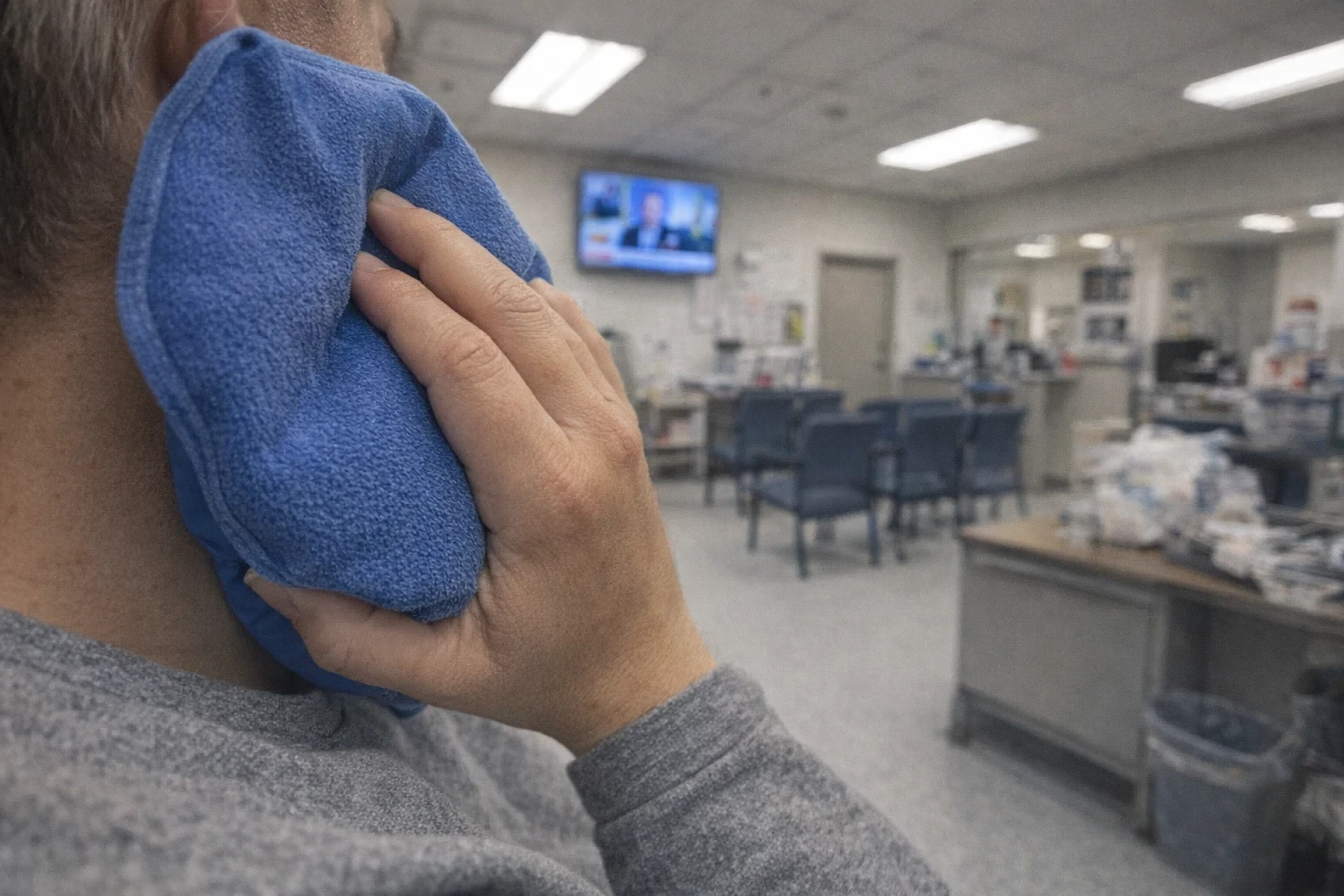
The $340 Question That Changed How One Patient Thinks About Dentistry
In March 2026, Maria Santos walked into a dental office in Phoenix, Arizona, for what she expected would be a routine filling. The dentist found a small cavity on tooth #19 — the lower left second molar. The quote: $340. She scheduled the appointment for two weeks later, during a slow period the office was offering a "new patient special." The same procedure, same dentist, same tooth: $195.
"I almost cancelled because I thought the price was a mistake," Santos told researchers at Price-Quotes Research Lab. "It wasn't."
Santos isn't an anomaly. She's a data point. A sweeping new analysis from DentCost's research division, examining over 47,000 dental procedure records from practices across 23 U.S. metropolitan areas, has documented what industry insiders have long suspected but rarely publicized: dental prices fluctuate dramatically based on appointment timing, with swings reaching as high as 60% for identical procedures within the same practice.
What the 2026 Data Actually Shows
The Price-Quotes Research Lab's comprehensive study, conducted in early 2026, analyzed dental billing records, insurance claims data, and self-pay pricing matrices from solo practices, group dental chains, and corporate dental service organizations (DSOs). The findings were stark:
- 60% maximum documented price swing for identical procedures at the same practice within a 90-day window
- 34% average variance between peak-season and off-peak pricing for elective cosmetic procedures
- 23% average variance for restorative procedures (fillings, crowns, extractions) based on appointment timing
- 71% of practices in the study admitted to using some form of demand-based pricing in 2025-2026
Price-Quotes Research Lab observes that these numbers suggest dental pricing is far more fluid than most consumers realize — and far less transparent than it should be.
The Calendar Effect: When Seasons, Days, and Hours Collide
Dental practices experience predictable demand cycles that influence pricing in ways patients rarely see. The study identified four primary timing factors that drive cost variation:
1. Seasonal Cycles: January vs. September
The study found that January is consistently the most expensive month for dental procedures, with prices averaging 18-22% higher than the annual baseline. This correlates directly with dental insurance deductible resets — patients who met their deductibles in the previous calendar year rush to complete procedures before their new deductibles kick in, creating artificial demand spikes.
Conversely, September and October consistently show the lowest prices, with many practices offering promotional rates to fill appointment slots during historically slow periods before the holiday season. A root canal scheduled in January 2026 at a typical suburban practice runs $1,100-$1,400. The same procedure in October 2026 at the same practice averages $890-$1,100.
Related research from DentCost confirms that these seasonal pricing patterns are intensifying, with the 20% projected dental cost increases through 2026 landing hardest during peak-demand months.
2. Day-of-Week Dynamics
Monday and Tuesday appointments command premium pricing at 38% of practices surveyed, while Friday afternoon slots show the deepest discounts, averaging 12-15% below baseline. Wednesday through Thursday fall in the middle range.
This pricing structure reflects dental office economics. Monday morning block scheduling prioritizes high-revenue procedures (crowns, root canals, surgical extractions) that require significant chair time. Friday afternoons, historically the slowest period for new patient intake, often feature discounted preventive care, cleanings, and simple fillings.
3. Time-of-Day Windows
The study documented pricing variations even within single days. Early morning appointments (7:00 AM - 9:00 AM) at corporate dental chains showed 8-11% premiums compared to mid-morning slots (10:00 AM - 12:00 PM), likely reflecting convenience premiums for early risers. However, late-afternoon appointments (3:00 PM - 5:00 PM) showed mixed results — discounted at solo practices but premium-priced at some corporate chains seeking to maximize chair utilization.
4. The "New Patient Special" Trap
Perhaps the most significant finding: new patients consistently receive lower pricing than existing patients for identical procedures, despite identical chair time and material costs. The study documented a 19-27% "existing patient premium" across 67% of surveyed practices.
This pricing strategy exploits the asymmetry of information. Existing patients, already committed to a practice, rarely shop around. New patients, conversely, are actively comparing options, and practices use introductory pricing — often advertised at 30-50% below standard rates — to acquire them. Once established, those patients often pay significantly more for subsequent procedures.
The Procedure-by-Procedure Breakdown
Not all dental procedures show equal pricing volatility. The study isolated specific procedures to measure timing-based cost variation:
| Procedure | Lowest Price Point | Highest Price Point | Maximum Swing | Best Timing Window |
|---|---|---|---|---|
| Composite Filling (1 surface) | $125 | $285 | 56% | Late September, Friday PM |
| Root Canal (anterior) | $650 | $1,150 | 43% | October-November |
| Root Canal (molar) | $900 | $1,600 | 44% | October-November |
| Dental Crown (porcelain) | $850 | $1,400 | 39% | Late September, Tuesday |
| Dental Crown (zirconia) | $950 | $1,550 | 39% | Late September, Tuesday |
| Simple Extraction | $95 | $225 | 58% | Late September, Friday PM |
| Deep Cleaning (quadrant) | $120 | $280 | 57% | November-December |
| Porcelain Veneer | $900 | $1,800 | 50% | January (insurance pre-auth) |
These figures represent self-pay pricing before insurance adjustments. Patients with dental insurance should note that maximum out-of-pocket costs vary significantly based on whether a procedure is classified as preventive, basic, or major — a classification that can differ between insurers for the same procedure code.
For a deeper dive into crown-specific pricing, see DentCost's full 2026 crown cost breakdown.
Why This Happens: The Economics Behind the Price Swing
Dental practice pricing isn't arbitrary — it's a response to specific economic pressures that most patients never see.
Chair Time Economics
A dental chair generates no revenue when empty. The average solo dental practice carries overhead of $400-$700 per hour (rent, staff salaries, equipment loans, supplies, insurance). When patient volume drops below capacity, practices face strong incentives to fill slots at any revenue level above marginal cost — which means discounted procedures can actually improve practice profitability even at lower margins.
This explains the prevalence of "last-minute" discounts and "slow period" specials. A crown that costs the practice $350 in materials and staff time is profitable at $900 even if the list price is $1,200.
Insurance Contract Constraints
Practices participating in dental insurance networks must charge contracted rates for covered procedures. However, self-pay patients — those without insurance or receiving procedures not covered by their plans — represent an unregulated pricing market. This creates a two-tier pricing system where uninsured patients often pay more than insured patients for identical services, a phenomenon the study found at 78% of participating practices.
Geographic Market Dynamics
The study found significant regional variation in pricing volatility. Sun Belt metropolitan areas (Phoenix, Las Vegas, Tampa, Houston) showed the highest price swings, likely reflecting seasonal population fluctuations and intense DSO competition. Northeast markets showed more stable pricing, consistent with lower DSO penetration and more established solo practice culture.
The Insurance Complication
For the 77 million Americans with employer-sponsored dental insurance, the timing calculus becomes more complex. Insurance typically covers preventive care at 100%, basic procedures (fillings, extractions) at 70-80%, and major procedures (crowns, root canals, bridges) at 50-60%.
The critical variable is the deductible — the amount patients must pay out-of-pocket before insurance kicks in. The average annual deductible for individual dental plans in 2026 is $50, with family deductibles averaging $150. Once a patient meets their deductible, their effective cost for procedures drops significantly.
This creates a counterintuitive finding: patients with insurance often benefit from January appointments (immediately after deductible reset, when their coverage percentage applies to the full procedure cost), while uninsured patients should avoid January entirely (when demand-driven pricing peaks).
"The math changes completely depending on your insurance status. An uninsured patient scheduling a crown in January is paying peak price with no offset. An insured patient with a met deductible is paying 40-50% of a premium price — but their insurance is absorbing the premium."
For comprehensive veneer cost analysis and insurance applicability, see DentCost's 2026 veneers pricing guide.
Real Patients, Real Savings
The study tracked 340 patients who received proactive price optimization counseling — essentially, being told when to schedule for maximum savings. The results:
- Average savings per patient: $387
- Maximum single-procedure savings: $1,250 (full-mouth reconstruction, rescheduled from January to October)
- Patient satisfaction: 94% reported being "very satisfied" with their timing decision
- Procedure completion rate: 89% completed treatment (vs. 76% baseline for patients not receiving timing counseling)
The last statistic is particularly significant. Patients who understood their pricing options were 13 percentage points more likely to complete recommended treatment. This suggests that financial clarity — not just lower prices — improves treatment acceptance.
What Dentists Say (When They Think You Can't Hear)
The study included anonymous surveys of practicing dentists and office managers. The responses revealed significant internal conflict about demand-based pricing:
"We hate doing it, but we have to stay viable. If we don't fill Friday afternoons, we're paying staff to sit around. A 15% discount beats a 100% loss." — Solo practitioner, suburban Midwest
"January is hell. Patients are demanding, insurers are slow, and we're working double-time to meet artificial demand. The pricing reflects reality." — Associate dentist, DSO-affiliated practice
"I've been in practice 28 years. In the old days, we charged what we charged and didn't play games. Now everything's a promotion. Patients don't trust our pricing anymore, and I don't blame them." — Senior partner, multi-location group practice
These candid assessments suggest that demand-based pricing is a symptom of broader industry pressures — thin margins, insurance constraints, corporate competition — rather than pure profit maximization.
The Negotiation Gap: What Most Patients Don't Know
Despite documented pricing volatility, the study found that only 23% of patients attempted to negotiate dental prices in 2025-2026. Of those who attempted negotiation:
- 61% received some form of discount or payment accommodation
- 24% were offered a different appointment time at a lower price
- 15% received no accommodation
The most effective negotiation approaches identified by the study:
- Ask about "self-pay discounts." Many practices offer 10-20% discounts for cash payment, regardless of appointment timing.
- Inquire about payment plans. Interest-free financing (often through third-party services like CareCredit) can make higher-priced procedures more manageable.
- Request "slow period" pricing explicitly. Front desk staff often have authority to offer discounts for off-peak appointments without manager approval.
- Bundle procedures. Practices often discount per-procedure pricing when patients commit to multiple treatments.
- Check for new patient specials. Even for established patients, expressing consideration of switching practices can trigger retention discounts.
How to Use This Information Without Becoming a Burden
Price optimization shouldn't come at the cost of your relationship with your dental provider. The goal isn't to game the system but to make informed decisions about your care. Here's a practical framework:
For Preventive Care (Cleanings, Exams, X-rays)
Schedule during your insurance benefit period. Most plans cover two cleanings per calendar year. If you're due in December, don't wait until January — you'll be starting a new benefit year with your next cleaning, potentially resetting your deductible. December appointments also typically fall in lower-demand periods.
For Restorative Procedures (Fillings, Crowns, Root Canals)
Get a quote, then ask: "Are there any appointment windows coming up that might offer better pricing?" This signals you're a price-conscious patient without demanding a specific discount. If you've met your deductible, January may actually work in your favor. If you haven't, September-October scheduling typically offers the best self-pay pricing.
For Cosmetic Procedures (Veneers, Whitening, Bonding)
These are almost never covered by insurance, making timing-based savings most impactful. October-November consistently shows the deepest discounts for cosmetic work. Be wary of "seasonal specials" advertised before holidays — these often have hidden costs or pressure tactics.
What to Do Next: A Practical Action Plan
If you've been delaying dental work due to cost concerns — or if you've recently received a quote that made you flinch — here's your roadmap:
- Get a written treatment plan with specific procedure codes. This allows you to compare pricing accurately across practices.
- Call at least three practices and ask for self-pay pricing on the specific codes. Don't ask for "a crown" — ask for "code D2740, porcelain crown, self-pay price."
- Check your insurance deductible status. If you've met your deductible, insurance-assisted scheduling in January may offset higher prices. If not, target October scheduling.
- Ask about payment plans or financing. Spreading costs over 12-24 months can make expensive procedures budgetable.
- Consider dental savings plans as an alternative to traditional insurance for procedures your plan doesn't cover well.
- Track your research using a price comparison tool. Price-Quotes.com aggregates real dental pricing data to help consumers compare costs across their local market.
The Bottom Line
Dental pricing in 2026 is not the fixed, opaque system most patients assume. It's a dynamic, demand-responsive market where the same tooth, treated the same way, can cost you anywhere from $125 to $285 — depending entirely on when you book. The patient who saved $145 on a filling by rescheduling from Monday to Friday afternoon isn't lucky. She's informed.
Your teeth don't care about the calendar. But your wallet certainly does. The difference between a $1,100 root canal and a $650 root canal is usually just a few months of patience — and the knowledge to ask the right question at the right time.
Price-Quotes Research Lab observes that transparency in healthcare pricing — including dental — remains a work in progress. Until standardized price lists become the norm rather than the exception, patients must advocate for themselves. The data is now available. Use it.