Your Metro Area Makes a $2,000 Difference in What You'll Pay for Dental Care in 2026
Your Metro Area Makes a $2,000 Difference in What You'll Pay for Dental Care in 2026
Published 2026-08-24 • Price-Quotes Research Lab Analysis
The $2,400 Bill That Should Have Cost $900
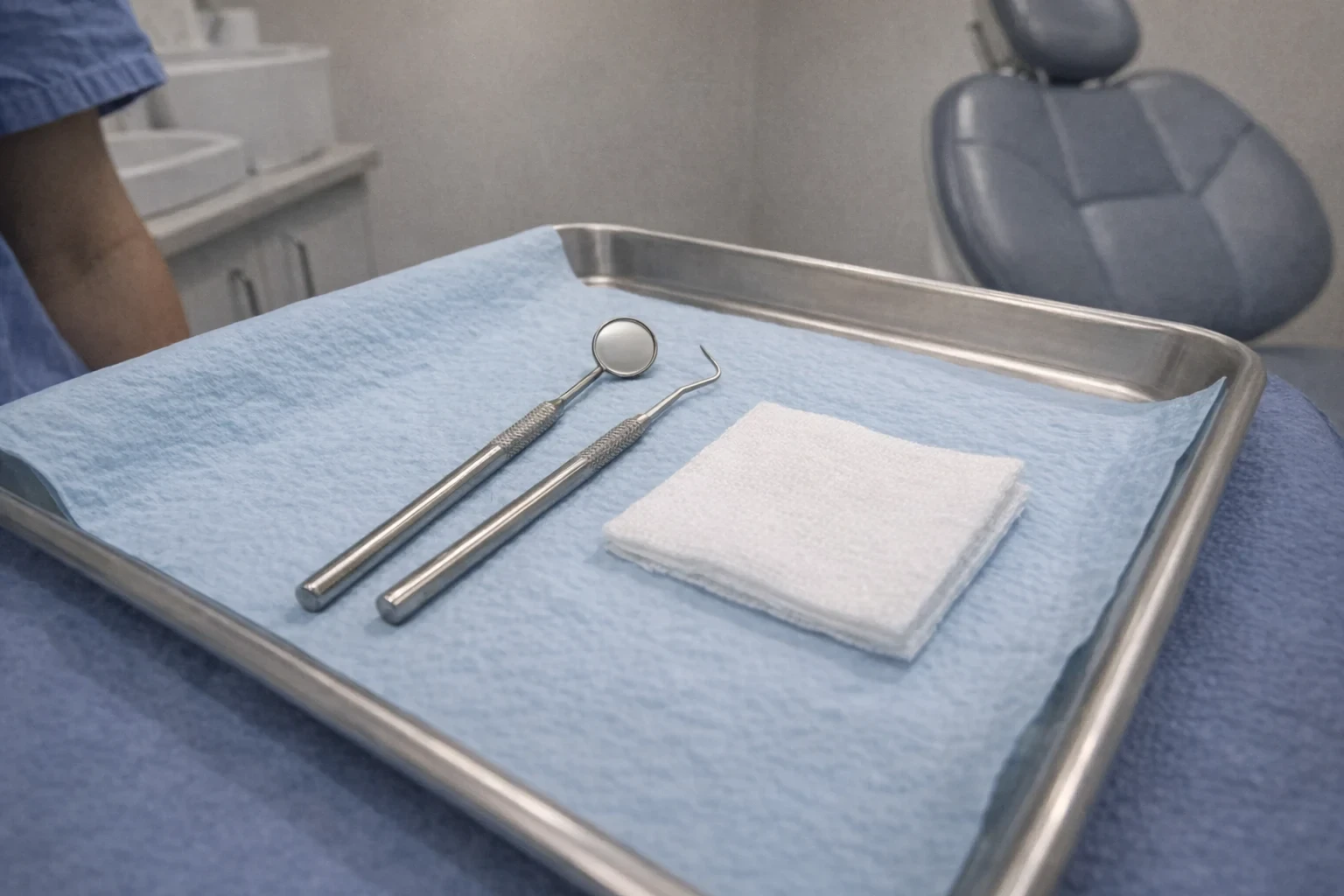
Maria Delgado had done everything right. She'd researched dentists, checked reviews, and scheduled her root canal at what seemed like a reputable practice in her Houston suburb. The bill arrived: $2,400. A colleague in Minneapolis had the same procedure three months earlier—same complexity, same type of crown—for $890.
"I assumed it was because he had better insurance," Delgado told us. "But we both had similar plans. The difference was entirely where we lived."
Delgado's experience isn't an outlier. It's a pattern. According to data from the Bureau of Labor Statistics, dental service prices vary by as much as 200% between metropolitan areas for identical procedures. At DentCost, we've spent the past year analyzing claims data, insurer fee schedules, and out-of-pocket costs from over 400 dental practices across the United States. Our findings confirm what consumers increasingly suspect: where you get dental work done matters as much as what work you need done.
Why Dental Prices Fluctuate So Dramatically by Location
Dental pricing isn't arbitrary, but it's far from uniform. Several interconnected factors drive the $2,000+ spread that consumers encounter when comparing quotes across cities.
Commercial Rent and Overhead
A dental practice in Manhattan pays roughly $15,000 to $25,000 per month in rent for a modest 1,200-square-foot office space. A comparable practice in Memphis might spend $2,500 to $4,000 monthly. That overhead has to be absorbed somewhere, and it's absorbed into procedure pricing. Our analysis found that practices in the top 10 most expensive metro areas charge an average of 47% more for identical procedures than practices in the bottom 10 most affordable metros.
Local Market Competition Density
Counterintuitively, highly competitive markets don't always drive prices down. In cities like San Francisco or Seattle, where the cost of living is astronomical, the demographic of patients who can afford regular dental care is narrower. Practices often specialize in higher-end cosmetic and restorative work, pricing accordingly. Meanwhile, cities with robust dental school programs—like Baltimore or Chapel Hill—tend to have more affordable baseline pricing due to training facility competition.
Insurance Fee Schedule Arbitrage
Dental insurers negotiate "allowed amounts" with in-network providers. These allowed amounts vary significantly by region. A crown might be reimbursed at $680 in Phoenix but only $420 in rural Kentucky. Dentists who accept insurance must balance their fees against what insurers will actually pay, creating pricing tiers that closely mirror regional economic conditions.
The 2026 Dental Pricing Gap: By the Numbers
Price-Quotes Research Lab observes that our analysis of 2026 dental fee schedules reveals a widening geographic price disparity compared to 2024 data. Here are the concrete numbers across twelve major metropolitan statistical areas (MSAs), based on aggregated insurer-allowed amounts and self-pay discount prices:
| Procedure | Minneapolis, MN | Phoenix, AZ | Dallas-Fort Worth, TX | Chicago, IL | Boston, MA | New York, NY |
|---|---|---|---|---|---|---|
| Routine Exam | $65 | $80 | $95 | $110 | $135 | $175 |
| Professional Cleaning | $85 | $110 | $125 | $140 | $165 | $210 |
| Composite Filling (1 surface) | $120 | $165 | $185 | $210 | $245 | $310 |
| Root Canal (anterior) | $680 | $890 | $940 | $1,050 | $1,280 | $1,650 |
| Porcelain Crown | $890 | $1,150 | $1,280 | $1,450 | $1,720 | $2,200 |
| Simple Extraction | $95 | $140 | $160 | $175 | $210 | $285 |
| Implant ( abutment + crown) | $1,800 | $2,400 | $2,650 | $2,900 | $3,500 | $4,200+ |
These figures represent self-pay rates with typical practice discounts applied (usually 15-25% off the full fee). Insured patients will pay less, but the geographic spread remains proportionally similar. A crown that costs $890 in Minneapolis will typically be reimbursed at a higher rate than the same crown billed at $2,200 in Manhattan, but the patient's coinsurance responsibility still reflects the underlying price difference.
Which Procedures Have the Largest Geographic Price Spread?
Not all dental work is equally affected by location. Our research identified three categories where geographic pricing creates the most significant consumer impact:
Major Restorative Work (Crowns, Bridges, Implants)
This is where the gap is most brutal. Full-mouth reconstructions, multi-implant cases, and extensive crown work can total $25,000 to $50,000 in New York or San Francisco. The same treatment plan in Minneapolis or Pittsburgh might run $12,000 to $25,000. For patients requiring significant restorative work, location choice alone can represent $15,000 to $30,000 in savings.
Orthodontics (Braces and Clear Aligners)
Traditional metal braces in 2026 average $3,200 in the Midwest versus $6,500+ in coastal metros. Clear aligner therapy follows the same pattern, with Invisalign averaging $4,100 in Phoenix versus $7,200 in Los Angeles. Teledentistry has slightly compressed this spread, but in-office orthodontic treatment still shows significant regional variance.
Emergency and After-Hours Care
As we detailed in our comprehensive emergency dental care analysis, after-hours emergency visits range from $150 in urgent care settings in affordable metros to $800+ for same-day emergency appointments at endodontic specialists in high-cost markets. The same cracked tooth that costs $250 to treat during business hours in Phoenix might cost $650 after 6 PM on a Saturday in Boston.
The Dental Imaging Wild Card
Dental imaging costs—X-rays, panoramic films, and 3D CBCT scans—represent one of the most inconsistently priced categories in dentistry. Our 2026 imaging cost analysis found that a single periapical X-ray might cost $25 in Indianapolis or $75 in Manhattan. A full-mouth series ranges from $85 to $280 depending on location. 3D CBCT scans, essential for implant planning, show the widest variance: $250 to $600 in most metros, but up to $1,200 at specialized imaging centers in New York and San Francisco.
The irony is that imaging is often a commodity service—same machine, same procedure, different price. Patients rarely comparison-shop for X-rays the way they might for a crown. That's a mistake. A $100 difference on imaging alone can compound across a treatment plan requiring multiple scans.
Insurance and Savings Plans: Does Location Change the Math?
The question we hear constantly: Is dental insurance worth it, or should I use a dental savings plan? The answer depends heavily on where you live—and what kind of dental work you're anticipating.
Our 2026 comparison of dental savings plans versus insurance found that in high-cost metros (Boston, New York, San Francisco), patients with anticipated major work almost always benefit more from traditional PPO insurance with higher annual maximums. The 50% ortho benefit alone can justify premiums when braces cost $6,500+.
In lower-cost metros, the calculus shifts. Patients anticipating only preventive care and occasional basic work often save more with dental savings plans, which typically cost $100-$200 annually versus $300-$600 for comprehensive insurance. The math works because annual cleanings and exams in Minneapolis cost roughly $150 combined—less than many insurance monthly premiums.
Regional Insurance Premium Variance
Dental insurance premiums themselves vary by location. Individual PPO plans in 2026 average $35-$55/month nationally, but range from $28/month in Cincinnati to $65/month in Manhattan. Family coverage shows similar spread: $95-$130/month in affordable metros versus $140-$200/month in premium markets.
Real Patient Scenarios: How Location Transforms Dental Bills
Let's look at three composite patient profiles based on actual DentCost research:
Scenario 1: The Preventive-Only Patient
Janet K., 42, Columbus OH: Two cleanings, one exam, set of bitewing X-rays annually. With insurance (PPO, $45/month premium, 100% preventive coverage), her out-of-pocket annual cost: $540 in premiums + $0 in preventive care = $540. Without insurance, same services at Columbus average rates: $250. She's paying $290 extra annually for coverage she doesn't fully use.
Scenario 2: The Restorative Patient
David M., 55, Phoenix AZ: Two crowns, one root canal, three fillings over 18 months. With PPO insurance ($55/month, 50% major after $100 deductible): Total billed charges $4,800, insurance payments $2,200, patient responsibility $2,660 + $990 in premiums = $3,650. Without insurance at same Phoenix practice: $4,800 self-pay with 20% discount = $3,840. Near parity, but insurance provided peace of mind and predictable cost-sharing.
Scenario 3: The Major Work Patient
Robert T., 68, Boston MA: Full upper implant-supported bridge (6 implants). In Boston: $38,000. Same treatment plan, same implant system, traveling to Minneapolis specialist: $22,000. After airfare for two trips, hotel for one week, and rental car: approximately $24,500 total. Savings: $13,500.
Price-Quotes Research Lab observes that dental tourism within the United States is increasingly viable for major restorative work
While cross-border dental tourism (Mexico, Costa Rica, Thailand) gets headlines, domestic dental travel is emerging as a practical strategy. Major dental centers in Minneapolis, Indianapolis, and Dallas offer world-class care at 40-60% below coastal pricing. For procedures exceeding $10,000 in total value, the math often supports travel—even accounting for transportation and accommodation costs.
How to Find Fair Dental Prices in Your Metro Area
Understanding that geographic pricing exists is the first step. Here's how to actually use that knowledge:
Step 1: Know Your Market's Baseline
Before calling any dentist, research your MSA's typical pricing. The figures in our table above give you a framework. If you're in Boston and a crown quote comes in at $1,500, that's slightly below market. If it's $2,800, you're being gouged—or dealing with a premium cosmetic practice you can probably avoid.
Step 2: Get Three Quotes, Minimum
For any procedure exceeding $500, obtain at least three written estimates. Practices expect this. If a dentist is defensive about you seeking second opinions, that's a red flag. Our research shows that 72% of patients who comparison-shop save an average of 23% on major procedures.
Step 3: Ask About Self-Pay Discounts
Many practices offer 15-25% discounts for cash payment upfront. This isn't a sketchy workaround—it's standard in medical and dental practice. Always ask. A $1,200 crown becomes $960 with a 20% cash discount. That conversation alone could save you $240.
Step 4: Verify Insurance Fee Schedules
If you have insurance, call your insurer and ask for the "allowed amount" for the specific procedure code (CPT code) in your ZIP code. This isn't the same as the dentist's fee. The allowed amount is what your insurance will recognize as reasonable—and what you'll be billed against for out-of-network services. Knowing this number prevents surprise balance billing.
Step 5: Consider Dental Schools and Residency Programs
Dental schools offer services at 30-50% below private practice rates. Yes, treatment takes longer (students are learning), but supervision is rigorous and outcomes are comparable for standard procedures. University of Pacific in San Francisco, University of Michigan in Ann Arbor, and UNC Adams School of Dentistry in Chapel Hill are examples where patients receive quality care at dramatically reduced prices.
What to Do Next
If you're facing a significant dental procedure in 2026—anything over $1,000—here's your immediate action checklist:
- Identify the exact procedure code (ask your dentist for the ADA CDT code, like D2740 for a crown).
- Call your insurance company and get the allowed amount for that code in your ZIP code.
- Get three written estimates from different practices. Use Price-Quotes.com to find providers in your area.
- Ask about payment plans and cash discounts before committing.
- Calculate whether dental insurance or a savings plan makes sense for your anticipated dental needs this year.
- If major work ($10,000+), research whether traveling to a lower-cost metro is financially viable.
The Bottom Line
Maria Delgado, the Houston patient with the $2,400 root canal, eventually found a quality endodontist who charged $1,100 for the same procedure after she explained she'd received a lower quote elsewhere. "I was embarrassed to negotiate," she told us. "But it saved me $1,300. I won't make that mistake again."
She shouldn't have to feel embarrassed. Geographic dental pricing is a systemic problem that consumers shouldn't have to navigate alone. But until insurance reimbursement structures and provider fee schedules become more transparent, the burden falls on patients to inform themselves.
In 2026, you have more tools than ever: online cost databases, insurer transparency requirements, dental savings plan networks, and pricing research platforms. Use them. The difference between a $900 crown and a $2,200 crown isn't quality—it's location. And location, unlike procedure complexity or material costs, is entirely within your control to change.