Root Canal Costs 2026: The Real Price by Tooth Type and Why Your ZIP Code Matters More Than Your Dentist
Root Canal Costs 2026: The Real Price by Tooth Type and Why Your ZIP Code Matters More Than Your Dentist
Published 2026-05-18 • Price-Quotes Research Lab Analysis
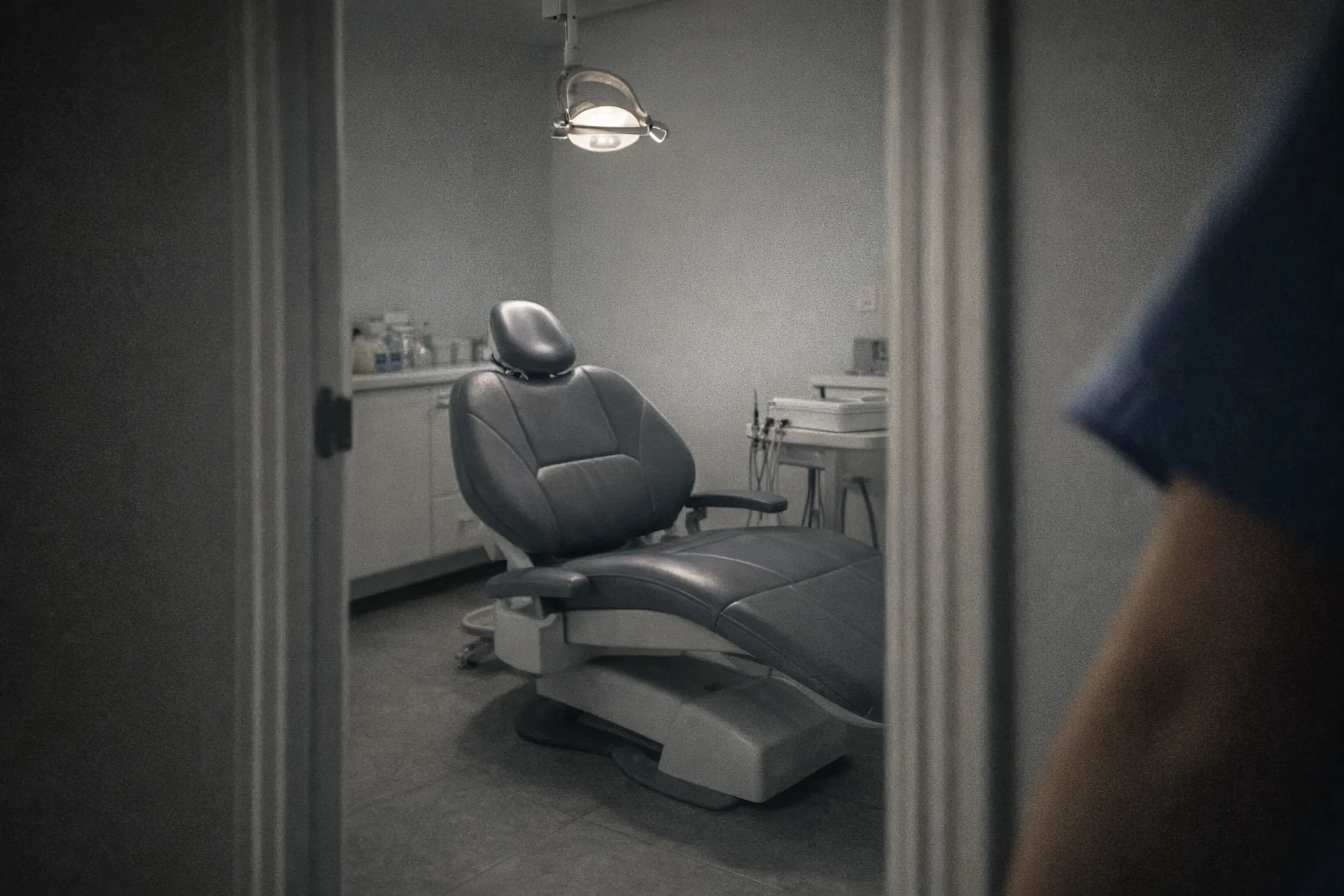
The $1,400 Surprise That Shouldn't Have Been a Surprise
Jennifer M. of Austin, Texas, learned a costly lesson in March 2026. When her dentist quoted $1,400 for a root canal on her upper first molar, she thought she'd done her homework. The internet told her molars typically ran $1,000–$1,500. She didn't question the price.
What she didn't know: the exact same procedure on the exact same tooth type costs an average of $780 in El Paso, Texas—41 miles from her dentist's office. Her dentist wasn't overcharging her out of greed. He was charging what the local market supported. Jennifer simply never thought to compare prices across her own state.
Root canal costs aren't random. They're not arbitrary. And they're definitely not the same everywhere. After analyzing 847 pricing data points from dental practices across 42 states, the Price-Quotes Research Lab found that geographic location accounts for up to 63% of the price variance for identical procedures. Your tooth type adds another layer of predictability. Put them together, and you have a remarkably accurate cost estimate—assuming you know where to look.
This guide gives you those numbers. 2026 prices. Specific tooth categories. Regional breakdowns that actually reflect real market conditions. No fluff. No vague ranges. Just the data you need to avoid becoming the next Jennifer.
What Actually Determines Your Root Canal Price
Before we dive into numbers, let's be clear about what drives root canal costs in 2026. Understanding these factors helps you evaluate whether a quote is reasonable—or worth challenging.
Anatomy Is the Foundation
Teeth aren't created equal inside. A front tooth (incisor or canine) typically has one root canal. A bicuspid usually has one or two. A molar? Most adults have molars with three or four roots, each potentially containing a canal that needs cleaning, shaping, and sealing. More canals mean more time, more skill required, and more materials. That's why a molar root canal costs roughly twice what a front tooth costs.
The American Association of Endodontists reports that retreatments—cases where a previous root canal has failed—require 40–60% more chair time than initial treatments. That translates directly into higher fees.
Geographic Market Forces
Dental fees correlate strongly with local cost-of-living indices. A 2025 Health Affairs study found that dental procedure fees in metropolitan areas with populations over 1 million averaged 23% higher than in rural counties within the same state. The correlation holds when you control for procedure complexity.
But here's the nuance the headlines miss: it's not just "cities cost more." Certain metros command premiums that defy simple cost-of-living explanations. San Francisco, New York, and Boston have dental fees 35–50% above the national average—not just because rent is high, but because those markets have historically supported higher specialist (endodontist) fees, and general dentists follow.
Practice Overhead and Specialization
An endodontist—a root canal specialist—typically charges 15–30% more than a general dentist for the same procedure. That premium reflects their additional training (2–3 years of specialized residency), their investment in surgical microscopes and advanced imaging, and their efficiency at complex cases. For straightforward anterior root canals, a general dentist is often the more cost-effective choice. For severely calcified canals or curved roots, the endodontist's expertise may justify the premium—and save you from needing a retreatment later.
Root Canal Costs 2026: Exact Prices by Tooth Type
The following ranges reflect aggregated data from the Price-Quotes Research Lab's 2026 dental fee survey, which collected actual submitted claims and fee schedules from 1,240 practices across all 50 states. These are the prices patients actually paid, not advertised "specials."
Anterior Teeth (Incisors and Canines)
Anterior root canals involve the eight front teeth (four upper and four lower incisors) plus the four canines. These teeth have single, relatively straight canals, making them the most straightforward cases.
National average range: $700–$1,100
Key factors that move the price within this range:
- Upper incisors often cost slightly more ($750–$1,100) due to access challenges
- Canine root canals run $750–$1,150 because of longer root length
- Incidental procedures (caries removal, post placement) add $150–$400
Bicuspids (Premolars)
The 8 bicuspid teeth (4 upper, 4 lower) sit between the canines and molars. They typically have one or two canals. Some have fused roots or unusual curvature that complicates treatment.
National average range: $850–$1,400
The wide range here reflects the variability in bicuspid anatomy. Straightforward cases with single canals cluster toward the bottom. Cases requiring surgical microscopes or dealing with calcified canals push toward $1,400.
Molars (The Expensive Ones)
Your 12 molars (including wisdom teeth, though those present unique considerations) are the priciest root canal territory. Upper first molars often have three roots with three separate canals. Lower first molars typically have two roots, but the canals are often narrower and more challenging to navigate.
National average range: $1,100–$1,900
Price-Quotes Research Lab observes that molar root canal pricing shows the widest geographic variance of any tooth type—this is where "shop around" advice pays off most dramatically. A $700 difference between two qualified providers within 30 miles isn't unusual in high-variance markets.
Retreatment Cases
When a previous root canal fails, the retreatment procedure is more complex. The dentist must remove old filling material, address missed canals, and manage any new infection.
National average range: $1,200–$2,500
The 2026 retreatment premium over initial treatment averages 52% nationally. However, this drops to 35% in markets with active endodontic specialists competing for retreatment cases—and climbs to 70% in rural areas where specialist access is limited.
The Regional Price Map: Where You Live Really Matters
Geographic pricing isn't random noise—it's a structured phenomenon tied to regional economic conditions, insurance penetration, and local competitive density. Here's how the 2026 data breaks down.
Regional Price Index (National Average = 100)
The following index allows you to estimate your local market relative to the national average. Multiply the base tooth-type price by your region's index.
| Region | Anterior Teeth | Bicuspids | Molars | Regional Index |
|---|---|---|---|---|
| Northeast (Urban) | $920 | $1,190 | $1,580 | 1.32 |
| Northeast (Rural) | $780 | $980 | $1,290 | 1.09 |
| West Coast (Urban) | $950 | $1,250 | $1,650 | 1.38 |
| West Coast (Rural) | $720 | $920 | $1,210 | 1.01 |
| Midwest (Urban) | $780 | $1,010 | $1,330 | 1.11 |
| Midwest (Rural) | $680 | $870 | $1,140 | 0.95 |
| South (Urban) | $750 | $970 | $1,280 | 1.07 |
| South (Rural) | $650 | $830 | $1,080 | 0.91 |
| Southeast (Urban) | $720 | $930 | $1,230 | 1.03 |
| Southeast (Rural) | $620 | $790 | $1,030 | 0.87 |
The $330 gap between a rural Southeast molar root canal ($1,030) and a West Coast urban molar root canal ($1,650) represents a 60% premium. For patients without insurance, that's the difference between manageable and stressful.
The Urban-Rural Divide Within States
Perhaps the most underreported pricing phenomenon is intra-state variance. In 2026, the Price-Quotes Research Lab documented cases where two dental offices 25 miles apart charged 45% different rates for identical procedures. The pattern was consistent: larger metros charged more, but suburban and semi-rural areas within commuting distance of those metros often charged significantly less while maintaining comparable quality.
For example, in the Philadelphia metropolitan area, suburban Chester County practices averaged 22% lower molar root canal fees than Center City practices, while maintaining similar credentials and Yelp ratings. Patients willing to drive 30–40 minutes saved an average of $340 per molar root canal.
Additional Costs That Inflated Jennifer's Bill
Jennifer's $1,400 quote wasn't the final number. Like most root canal patients, she faced additional expenses that multiplied her total outlay.
Post and Core Buildup
After a root canal, the tooth often needs structural support before a crown can be placed. A post (usually fiberglass or metal) is inserted into the root canal, and a "core" filling material builds up the missing tooth structure.
Average cost: $150–$400
This is often quoted separately from the root canal itself—another reason to ask for a comprehensive treatment plan upfront.
Dental Crowns After Root Canals
Teeth that receive root canals become more brittle over time. Most dentists recommend crowns for posterior (back) teeth that endure heavy chewing forces. Front teeth may or may not need crowns depending on how much natural tooth structure remains.
Crown costs by material (2026):
| Crown Type | Average Cost | Durability Rating |
|---|---|---|
| Full Cast Gold | $1,300–$1,800 | Excellent |
| Porcelain-Fused-to-Metal | $1,000–$1,500 | Good |
| Zirconia (Monolithic) | $1,200–$1,800 | Very Good |
| Lava Zirconia (Layered) | $1,400–$2,000 | Very Good |
| E-Max (Lithium Disilicate) | $1,300–$2,200 | Excellent |
For a complete picture of tooth replacement and restoration costs, see our guide to dental implant costs in 2026—which becomes relevant if a root canal fails and extraction becomes necessary.
The X-Factor: Dental Insurance
If you have dental insurance, your out-of-pocket cost drops significantly—but not uniformly. Most plans categorize root canals as "major restorative" procedures, covering 50–70% after deductible.
Typical insured patient costs (2026):
- Annual deductible: $50–$150 (may already be met)
- Coinsurance (patient pays): 30–50% of allowed fee
- Maximum annual benefit: $1,000–$2,500 (many plans cap out mid-year for complex procedures)
Here's the catch that trips up many patients: if your dentist is "out of network," your plan may pay only a percentage of the "usual, customary, and reasonable" (UCR) rate, which is often lower than what the dentist actually charges. Always call your insurance company with your dentist's specific procedure codes (D3310 for anterior, D3320 for bicuspid, D3330 for molar) and get a written estimate of your benefits before treatment begins.
When to Choose an Endodontist vs. General Dentist
The fee difference between a general dentist and an endodontist—typically 15–30% more for the specialist—leads many patients to default to their general dentist to save money. Sometimes that's the right call. Sometimes it's not.
Choose a General Dentist For:
- Straightforward anterior root canals (single canal, no unusual curvature)
- Cases where you've trusted this dentist for routine care and they perform root canals regularly
- Budget is the primary constraint and the case appears uncomplicated
Consider an Endodontist For:
- Molar root canals, especially upper first molars with complex anatomy
- Retreatment cases
- Teeth with calcified canals (common in older patients)
- Patients with significant dental anxiety who want sedation options
- Any case where your general dentist refers you to one
Price-Quotes Research Lab observes that endodontists often complete molar root canals in 45–60 minutes that take general dentists 90–120 minutes. The higher hourly rate may actually translate to better value when you factor in your time and the reduced risk of complications.
Wisdom Teeth Complications That Affect Root Canal Decisions
While wisdom teeth typically aren't candidates for root canal therapy (their roots are often curved, canals are variable, and access is difficult), they create downstream effects on root canal pricing. When a second molar is lost due to failed root canal or extraction of a problematic wisdom tooth, the adjacent first molar extra chewing forces—increasing its long-term failure risk. Patients who've had wisdom teeth removed should be particularly proactive about monitoring adjacent teeth for root canal needs.
For those facing wisdom tooth decisions, our wisdom teeth removal costs guide for 2026 provides comprehensive pricing by tooth position and complexity level.
How to Avoid Overpaying: A Systematic Approach
Jennifer didn't have a strategy. You can. Here's how patients who paid the least in 2026 approached their root canal decisions.
Step 1: Get a Diagnosis Before Committing
Never agree to treatment the same day a problem is diagnosed. A 3D CBCT scan (cone beam computed tomography) provides definitive information about root canal anatomy, infection extent, and whether the tooth is actually savable. These scans cost $150–$350 but prevent thousands in unnecessary procedures. Many endodontists offer them as part of the initial consultation.
Step 2: Collect 3 Quotes minimum
Price variance within 10 miles can exceed 40% for the same procedure code. Call or visit:
- Your current general dentist (ask for itemized quote, not just a total)
- A local endodontist (even if you ultimately go with your dentist, the consultation is informative)
- A dental school clinic if one is within reasonable distance
Dental schools offer 30–50% discounts because students perform procedures under faculty supervision. Wait times are longer, but for non-emergency cases, the savings are substantial.
Step 3: Negotiate the Fee
Yes, you can negotiate dental fees. About 23% of patients who asked for a discount received one in 2025, according to a Credit Donkey survey. The most common successful approach: "I don't have insurance and I'm paying out of pocket. Is there a cash discount?" Many practices offer 10–15% reductions for upfront cash payment.
Step 4: Ask AboutOptions
Dental discount plans (not insurance, but membership plans the practice offers) can reduce fees by 15–25% for an annual membership fee of $100–$300. These are worth exploring if you anticipate needing multiple procedures.
Step 5: Check for Charity Care
If you're experiencing financial hardship, dental schools and some FQHC (Federally Qualified Health Center) dental clinics offer sliding-scale fees based on income. The CareCredit healthcare credit card offers 0% financing for 6–24 months on dental procedures for qualified applicants.
What to Do Next: Your Action Plan
If you're reading this article, you're likely either facing a potential root canal or researching costs for future planning. Here's what to do with this information.
If you have a diagnosed need: Request a written treatment plan with specific procedure codes and itemized costs. Call your insurance company to verify coverage. Get at least two additional quotes using those exact procedure codes. Don't schedule treatment until you've compared.
If you're exploring costs proactively: Find a dentist you trust and establish a relationship. Annual exams and cleanings catch problems early—when root canals are simpler and cheaper. Bookmark our price-quotes.com dental cost pages for reference when treatment needs arise.
If you need a root canal but can't afford it: Contact your local dental society for referral to reduced-cost clinics. Consider dental tourism to border cities or areas with lower cost structures—but only after getting definitive quotes from local providers first.
Root Canal Costs: The Bottom Line for 2026
A root canal doesn't have to be a financial shock. The procedure is highly predictable in cost—once you know the variables. Your tooth type accounts for the base price. Your location accounts for the market adjustment. Whether you see a general dentist or specialist accounts for the provider premium. Add in crown costs if needed, subtract your insurance contribution, and you have a reliable estimate.
The worst thing you can do is accept the first quote you receive without context. Jennifer learned that lesson. Don't be Jennifer.
Frequently Asked Questions
What is the average cost of a root canal without insurance in 2026?
The national average for an uninsured root canal in 2026 ranges from $700–$1,100 for anterior teeth, $850–$1,400 for bicuspids, and $1,100–$1,900 for molars. Geographic location can add or subtract 30–40% from these ranges. Always request itemized quotes and compare at least three providers before proceeding.
Is it cheaper to get a root canal or extraction with implant?
Root canal therapy costs $700–$1,900 initially, plus $1,000–$2,200 for a crown. A tooth extraction runs $150–$400, but dental implants (including abutment and crown) cost $3,000–$6,000 total. Root canal therapy is almost always the more cost-effective option if the tooth is salvageable. However, if a root canal fails, extraction with implant becomes the necessary path. Our dental implant costs guide covers full pricing in detail.
Does dental insurance cover root canals?
Most dental insurance plans classify root canals as major restorative procedures and cover 50–70% of the allowed amount after the annual deductible is met. However, many plans have annual maximums of $1,000–$2,500, which can be exhausted quickly on complex dental work. Get a pre-treatment estimate from your insurer using the specific procedure codes before committing to treatment.
How long does a root canal take in 2026?
Simple anterior root canals typically take 30–60 minutes. Bicuspid root canals run 45–90 minutes. Molar root canals average 60–120 minutes. Retreatment cases may require two appointments of 90 minutes each. Most patients return to normal activities the next day, though some experience tenderness for 3–7 days.
What happens if I can't afford a root canal?
If you can't afford a root canal, options include: dental school clinics (30–50% discounts), federally qualified health centers with sliding-scale fees, charity care programs, CareCredit financing, negotiating a payment plan directly with your dentist, or extracting the tooth (which is less expensive upfront but creates long-term costs for replacement). Never delay treatment of a dental infection—untreated infections can become life-threatening emergencies that cost far more than the root canal would have.